Sport and recreation builds stronger, healthier, happier, and safer communities. The benefits beyond the traditional aspirations of improved health and wellbeing. These include:
- Stronger and more connected communities;
- Inclusion of minority social groups;
- Diversion and education of at-risk youth;
- Healthy child development and contact with nature;
- Economic outcomes;
- Education outcomes;
- Tourism outcomes; and
- Environmental outcomes.
Sport and recreation can be a vehicle for positive social change. Sport and recreation helps to bind families through shared experiences and shared achievements. Through participation, sport helps address anti-social behaviour and can support education. Sport and recreation contributes to economic growth through business investment and employment, and helps sustain the environment through protecting open space and natural areas. It also promotes the use of active modes of transport, such as cycling and walking.
http://www.dsr.wa.gov.au/support-and-advice/research-and-policies/policies/benefits-of-sport-and-recreation
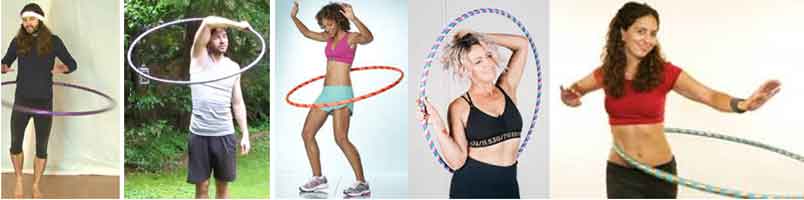
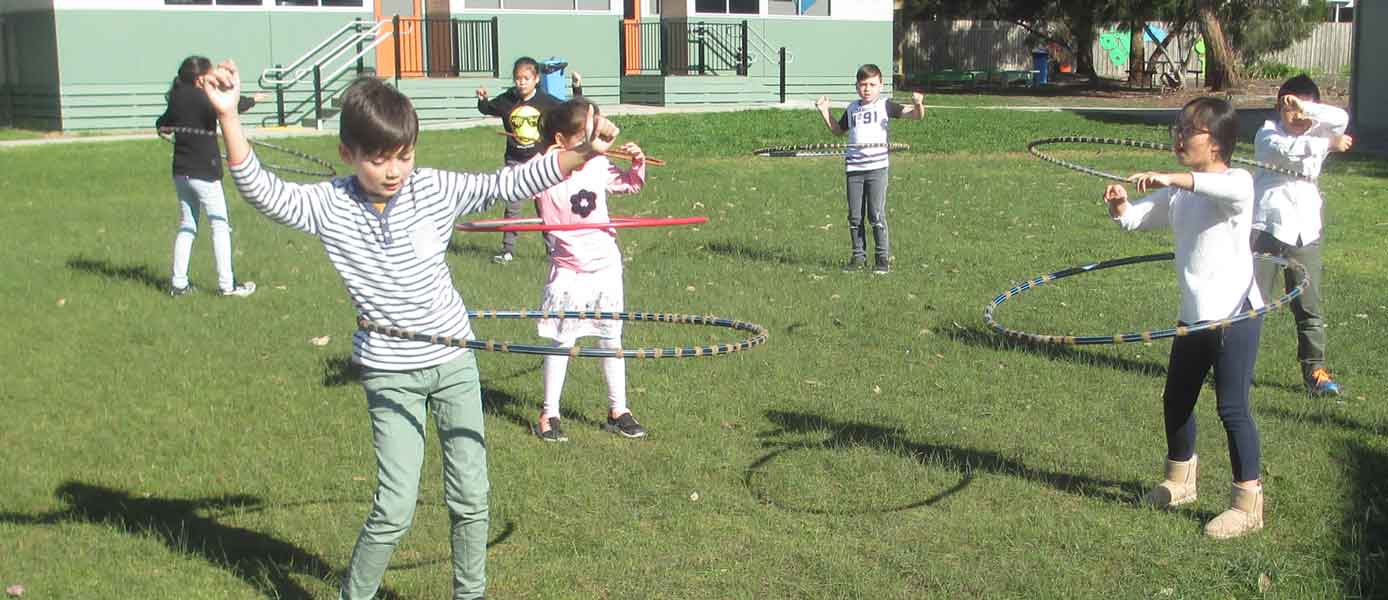
I made large hoops from garden watering tubes and brought them to my school for children at playtime. Students were attracted and showed enthusiastic in these big hoops in no-time. I had to race with them in self training with youtube hooping videos. I downloaded tons of them to practice and try to find simple instructions to suit young children age. Professional hoopers wear very tight or short cloths for demonstration, tutoring.
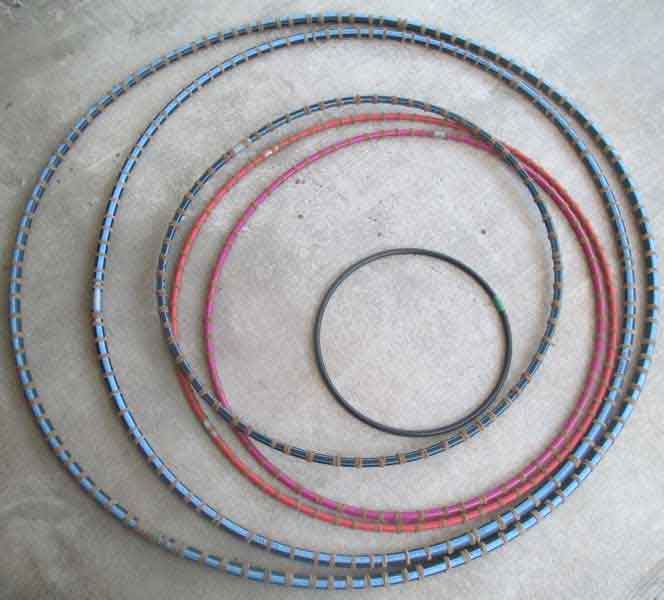 I developed supper griping hoops that are able to practice with normal or casual wears to protect skin contact which may cause bruise if constantly practice. It is practical solution for my approach to park users in winter and wet weather.
I mastered the beginner level in much shorter time with splitting steps for complicated technique: I practiced individual steps in reversed order with extra large size before combining them into completed movement.
My giant gripping hoops will help people with difficulty when starting.
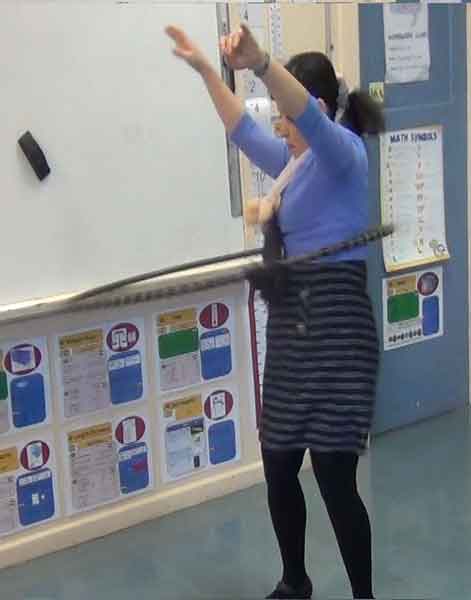
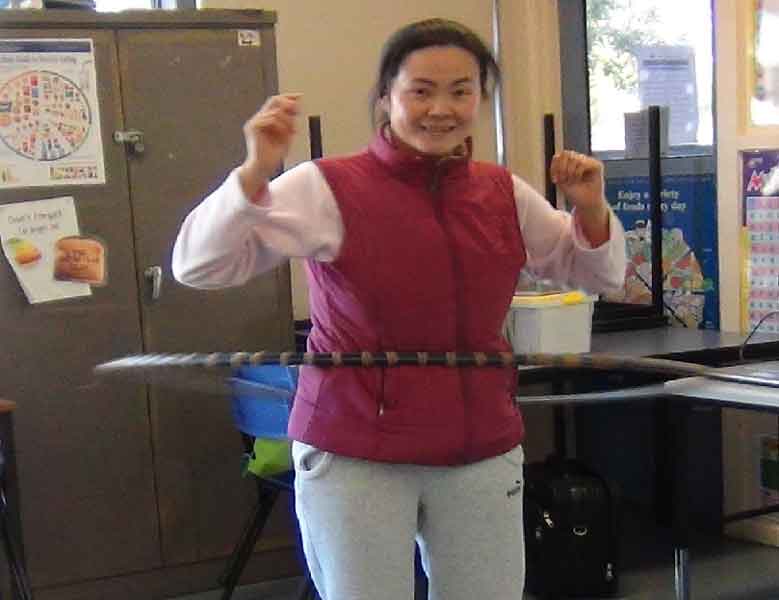
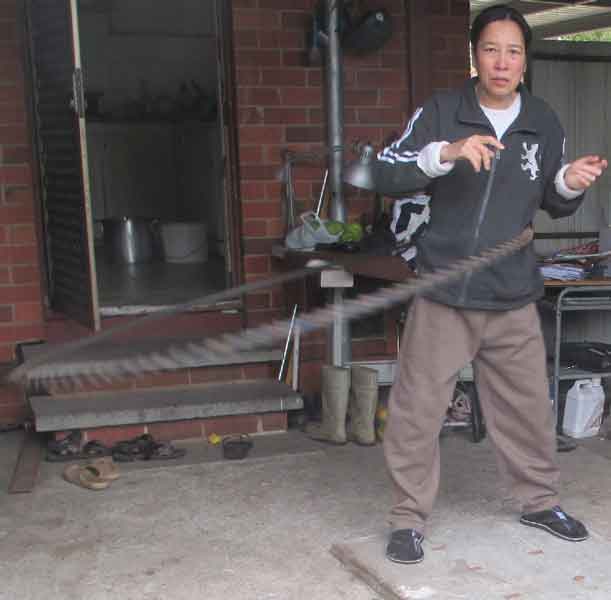
I will let my students bring big hoops home: their mums would be curious to try them on their body. If they require help, then we have giant loops to start when they come to collect their kids.
Sample on youtube: Our Turning Point: https://youtu.be/PveQ9BALydc
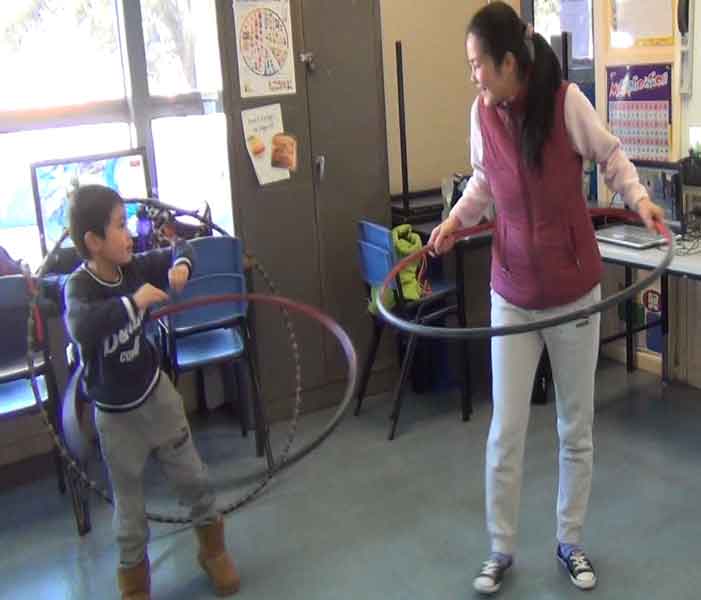
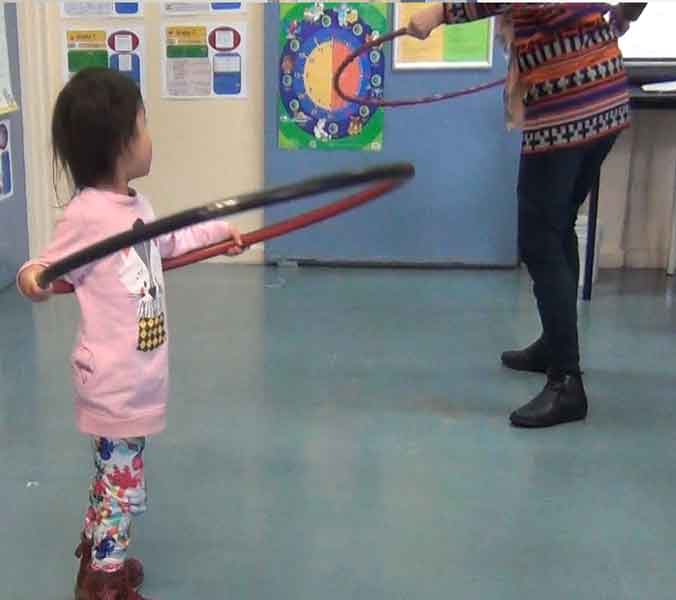
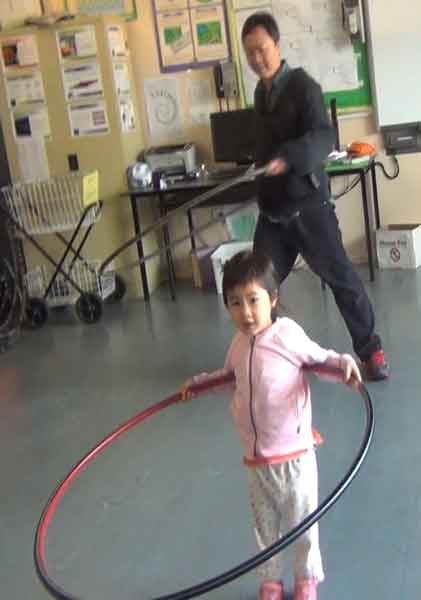
When sunshine or warm weather, people of all ages come to Norman Luth Reserve walking and runing. I want to train them hula hooping with methods (which had let me mastering the beginning level in much shorter time): they can exercise at home on rainy days or in cold weather.
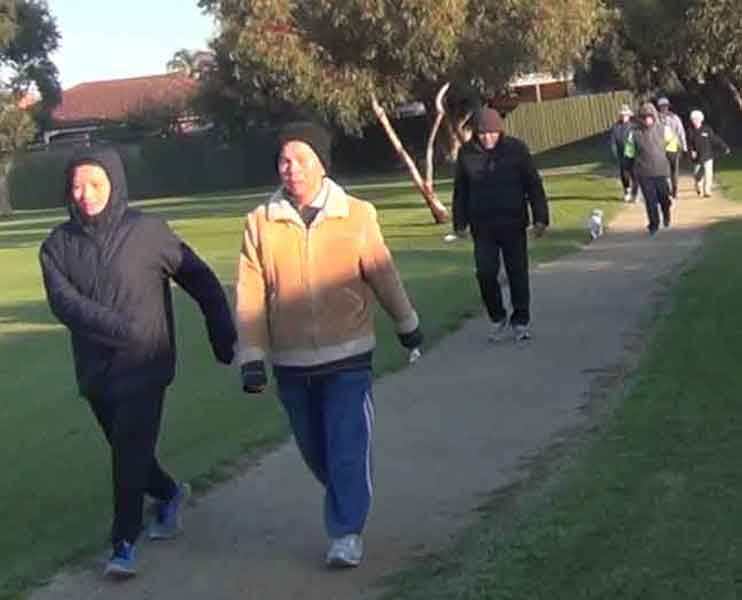 I live next to the Norman Luth Reserve park, I will bring all require hoops for the project. I will use my giant hoops for difficult movements, after mastering, then they can practice at home with middle size loop provided.
Dandenong council approves for use Norman Luth Reserve for my hooping trailed coaching purpose.
How I conduct my venture:
First I send invitaion letters and put notices on the park for introduction day, the training will be ONE hour a week on Tuesday in the morning: I prepare reading instruction with photos, drawings, video links, or maybe with a Flash CD videos so that they can refer to when learning and practicing at home.
This FREE course is for Beginer Level to help them start hooping.
-Grown up students are NOT interested in this exercise, but lower and beginner levels are my focusing in the THE-HE Vietnamese school.
-Female hoopers look great. Their movement is gracious. They expose themselves confidently with activities like swimming fish of flying butterflies in the breeze.
-Is it for man? Not only him, but if he want his partner living fit, having good figure . . .
-Can old men do it? I myself is a 71 year old pensioner.
This will be our community project. The result of my venture will help me to organise future hooping workshops on community festivals and council events, and expanding our coaching to council halls.
Only-waist hooping will quickly cause boring: I give them a new trick or a new movement every week with easy steps that suitable to their age.
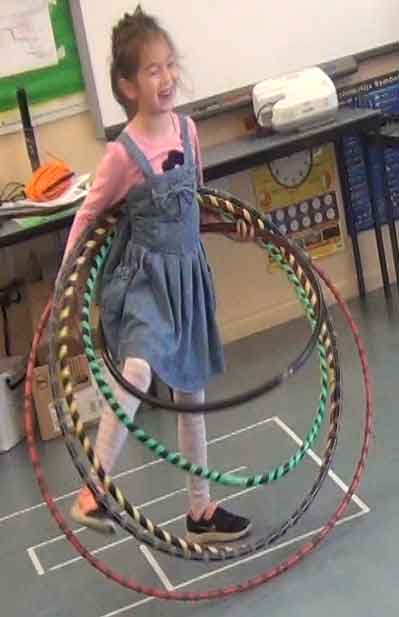
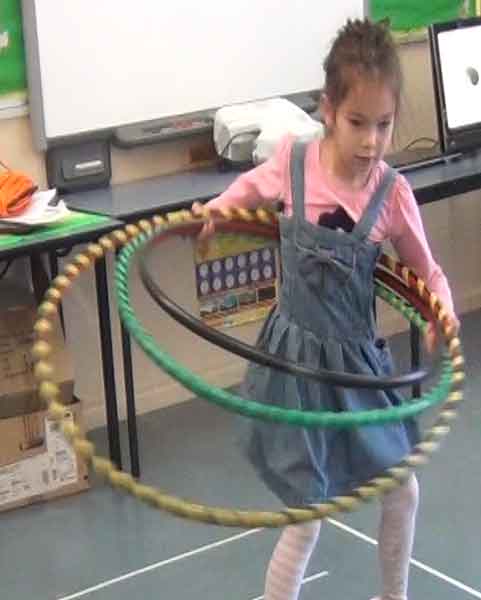
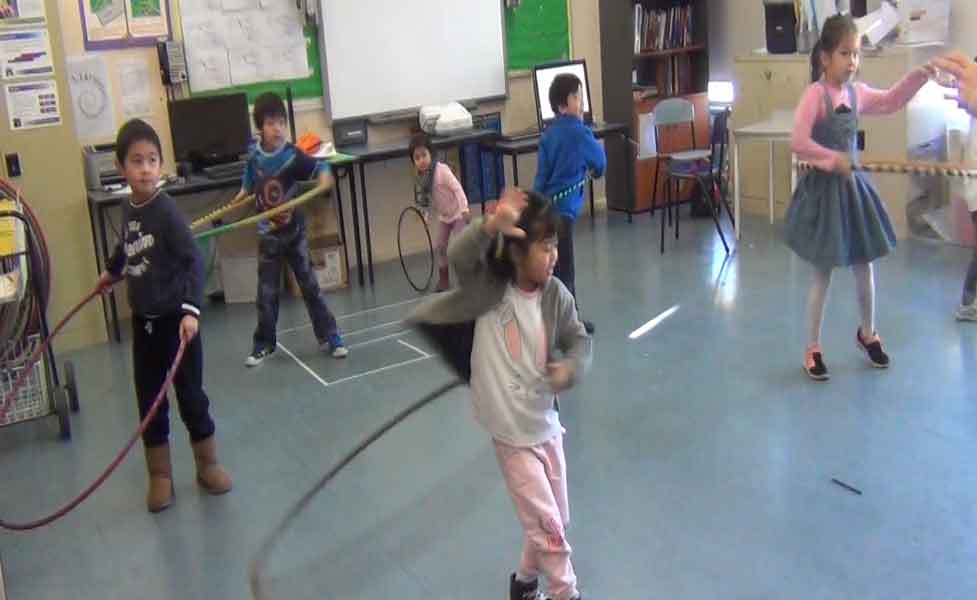
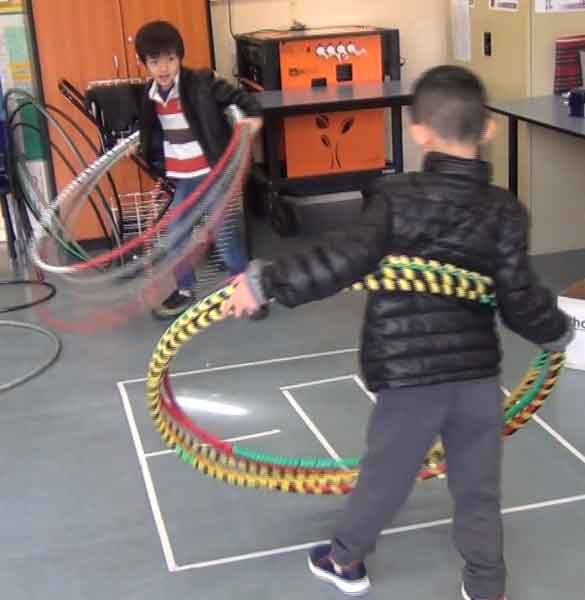
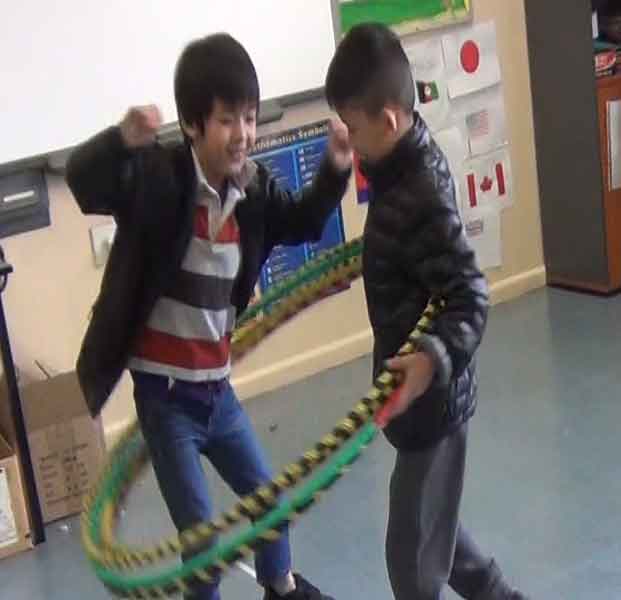
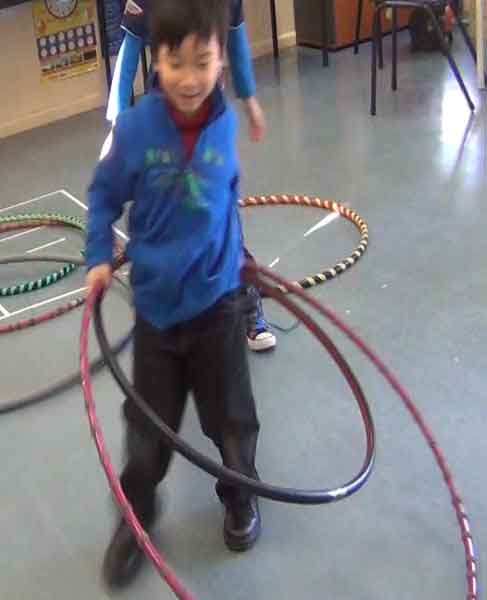
Some of our students are autisms, they are usually isolated themselves from other friends in play. When we put them into hooping practice: they were just wiggling and required our patiently instructing. Our hooping exercise gave them feeling confidence and living harmony with others.
The most difficult in our hooping coaching was insurance covering, although we found one, but it was very expensive to our budget as we are providing our FREE instruction. A big picture with prediction in our approach forced us to venture and investment.
I just enrolled in a hooping instructor course to make things easier for my school.
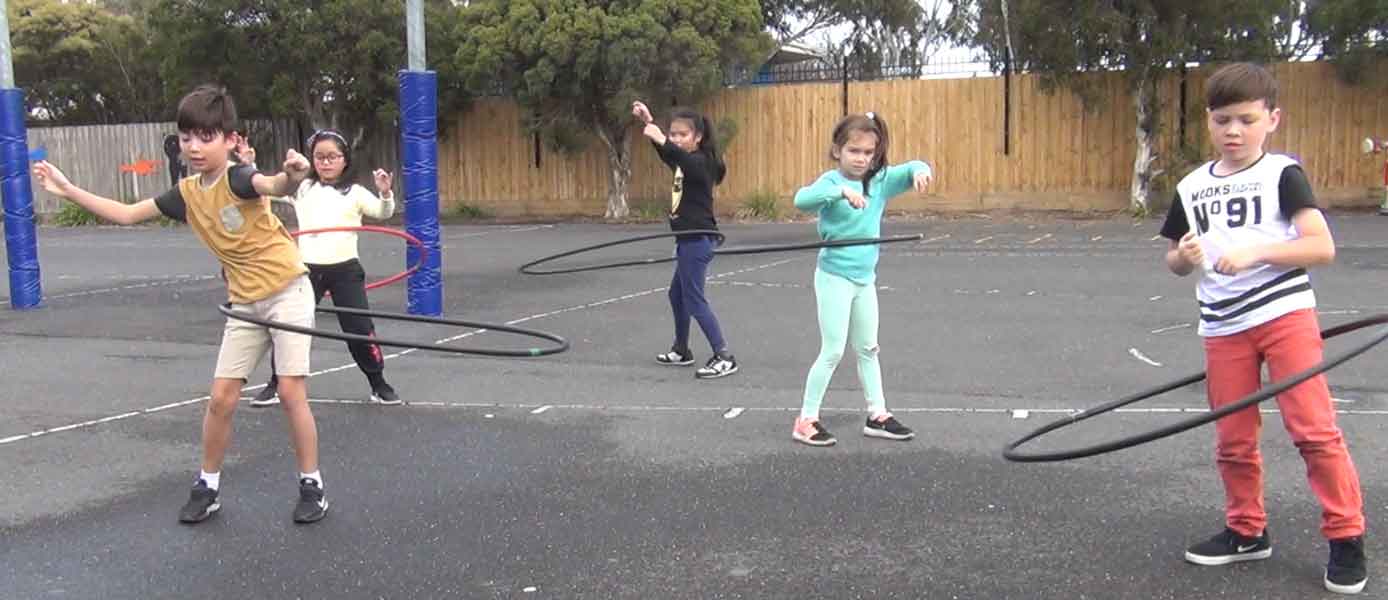
Hopping my contribution to communities will set an example to other community language schools.
 theheschool